


Key Takeaways:
- Deaf dogs can live happy, fulfilling lives with the right training, communication, and safety measures.
- Hearing loss may be present at birth or develop later in life due to aging, ear infections, injury, certain medications, or other medical conditions.
- Visual cues and hand signals become the primary way to communicate with a deaf dog, and positive reinforcement is key to successful training.
- Simple safety precautions, such as keeping your dog leashed outside fenced areas and using identification that notes they're deaf, can help prevent accidents.
- If you notice signs of hearing loss, schedule a veterinary exam. Some underlying causes may be treatable, making early diagnosis important.
Learning that your dog is deaf, or beginning to lose their hearing, can feel overwhelming at first. You may wonder how they'll communicate, whether they'll still enjoy their favorite activities, or if they'll be safe around other people and pets.
The good news is that deaf dogs can live happy, active, and fulfilling lives. While you'll likely need to adjust how you communicate and take a few extra safety precautions, most dogs adapt remarkably well to hearing loss. With patience, consistency, and guidance from your veterinarian, your deaf dog can continue to thrive.
What Causes Deafness in Dogs?
Dogs can be born deaf (congenital deafness) or develop hearing loss later in life (acquired deafness).
Some of the most common causes include:
- Aging, which can gradually reduce hearing in senior dogs
- Chronic or severe ear infections
- Injury or trauma affecting the ear
- Exposure to certain medications that can damage hearing
- Congenital conditions, often associated with specific coat color genes
- Less commonly, tumors or neurologic conditions
Certain breeds are more likely to be born deaf due to inherited genetic traits. Dalmatians, Australian Shepherds, Bull Terriers, English Setters, and Catahoula Leopard Dogs are among the breeds with a higher prevalence of congenital deafness.
While age-related hearing loss is often permanent, some underlying causes, like ear infections or inflammation, may be treatable if diagnosed early.
Signs Your Dog May Be Losing Their Hearing
Dogs are incredibly adaptable, which means hearing loss can go unnoticed in its early stages.
Some common signs include:
- Not responding when called
- Sleeping more deeply than usual
- Not reacting to doorbells or household noises
- Becoming startled when someone approaches from behind
- Barking more loudly or more frequently
- Difficulty following familiar verbal commands
- Looking to other pets for cues
Many of these signs can also be caused by other medical conditions, so it's important to schedule a veterinary exam if you notice changes in your dog's behavior.
How Veterinarians Diagnose Hearing Loss
Your veterinarian will begin with a physical examination and may inspect your dog's ears for infection, inflammation, wax buildup, or other abnormalities.
If hearing loss is suspected, additional diagnostics may include:
- Ear examinations and imaging
- Neurological evaluation
- Laboratory testing to identify underlying illness
- A Brainstem Auditory Evoked Response (BAER) test, which measures how the brain responds to sound and is considered the gold standard for diagnosing deafness
Identifying the underlying cause helps determine whether treatment may restore hearing or whether your dog will need lifelong accommodations.
Can Deaf Dogs Live Happy Lives?
Because they are highly adaptable, dogs can absolutely go on to live happy lives. They rely on much more than hearing to navigate the world. Dogs’ incredible sense of smell, keen eyesight, and ability to observe body language allow them to adapt surprisingly well.
Many deaf dogs continue to:
- Enjoy walks and hikes
- Play fetch and other games
- Participate in training
- Compete in canine sports
- Form deep bonds with their families
The biggest adjustment is often for the humans, not the dog.
Once consistent communication methods are established, many pet parents find their dogs remain just as confident, playful, and affectionate as before.
How to Communicate with a Deaf Dog
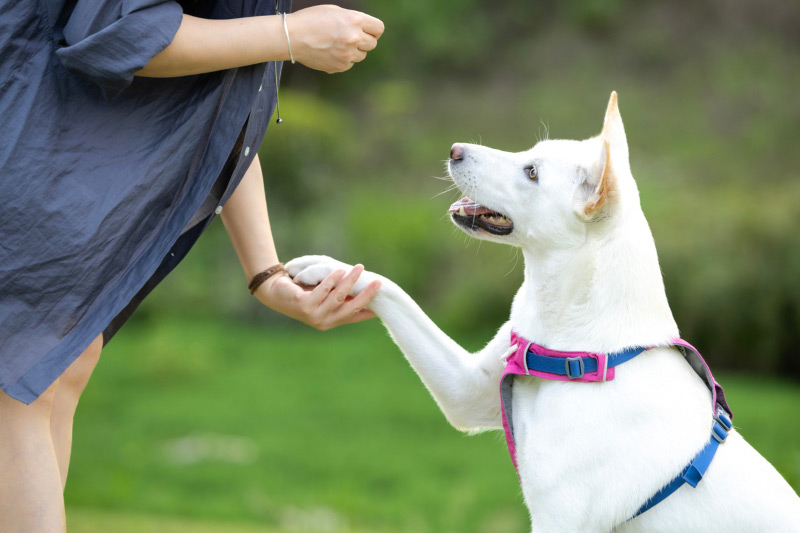
Since verbal commands are no longer effective, visual communication becomes essential.
Teach Consistent Hand Signals
Choose simple hand signals for common commands like:
- Sit
- Stay
- Come
- Down
- Good job
- No or stop
The exact signal matters less than using it consistently. Everyone in the household should use the same gestures to avoid confusing your dog. Having a signal that means “watch me” is especially helpful, because you can make sure that your dog is paying attention to what you’re telling them. Below are some examples of simple hand signals you can use to communicate with your dog.
| Command | Hand signal |
|---|---|
| Yes | Thumbs up |
| Watch me | Index finger to nose or eyes |
| Sit | Flat palm moving upward |
| Leave it | Closed fist |
| Down/lie down | Flat palm moving downward |
| Stay | Open palm |
| Come | Wide arm sweeping to chest |
| Good job | Double thumbs up |
Reward Positive Behavior
Positive reinforcement remains one of the most effective training methods for deaf dogs.
When your dog performs the desired behavior, immediately reward them with:
- Treats
- Toys
- Affection
- A thumbs-up or another visual "marker" that consistently means "Yes!"
Over time, your dog will learn to associate your hand signals with rewards.
Get Your Dog's Attention Safely
Instead of calling your dog's name, try:
- Gently tapping the floor to create vibrations
- Flashing a porch or room light
- Waving your hand within their field of vision
- Gently touching them if they're asleep (avoid sudden grabs that may startle them)
Some pet parents also use vibration collars designed specifically as communication tools. These collars use a gentle vibration (not an electric shock) to signal the dog to look toward their owner before receiving a hand signal.
If you're considering a vibration collar, ask your veterinarian or a qualified trainer how to introduce it properly using positive reinforcement.
Safety Tips for Everyday Life
Because deaf dogs can't hear approaching cars, bicycles, wildlife, or people, a few extra precautions can help keep them safe.
Keep Your Dog Leashed
Unless you're in a securely fenced area, keep your dog on a leash during walks. Even the best-trained deaf dog may not notice hazards approaching from behind.
Secure Your Yard
Regularly inspect fences and gates for gaps or damage. A securely enclosed yard allows your dog to explore safely without relying on verbal recall.
Help Others Understand
If your dog is deaf, consider using a leash sleeve, harness patch, or ID tag that says "Deaf Dog." This alerts strangers not to approach unexpectedly or rely on verbal commands.
Prevent Startle Responses
Approach your dog from the front whenever possible so they can see you coming. If they're sleeping, wake them gently with a light touch or by creating a small vibration nearby rather than startling them awake.
Training a Deaf Dog
Training doesn't stop because a dog loses their hearing. In fact, continued training helps build confidence.
Focus on:
- Short, positive training sessions
- Clear visual cues
- Consistent rewards
- Patience and repetition
One of the most valuable skills to teach is checking in with you regularly. Reward your dog whenever they naturally look toward you during walks or playtime. This habit encourages them to seek visual guidance even without hearing your voice.
Working with a trainer experienced in positive reinforcement can also be beneficial, especially if your dog has recently become deaf.
Enrichment for Deaf Dogs
Mental stimulation remains just as important for deaf dogs as it is for hearing dogs.
Try activities such as:
- Food puzzles
- Snuffle mats
- Nose work games
- Scent trails
- Interactive toys
- Obstacle courses using visual cues
Because dogs rely so heavily on their sense of smell, scent-based games are often especially rewarding for deaf pets.
Creating a Safe Environment
If you have a deaf dog, you may need to make extra adjustments in your home so they can thrive. Installing baby gates can help stop door-darting, which can be very dangerous for all dogs, and especially dogs who can’t hear car engines, horns, or commands to stop and come back.
It may also be a good idea to install nightlights near your dogs' water and food bowls and sleeping areas. This can help them see at night so they don’t wake up afraid in the darkness.
When Should You See a Veterinarian?
If your dog suddenly appears unable to hear, schedule a veterinary appointment promptly. While some dogs are born deaf, they can also lose their hearing as a result of an illness. Sudden hearing loss may be associated with treatable conditions, such as severe ear infections or inflammation. Senior dogs might also experience some hearing loss as a result of getting older, which can sometimes lead to total deafness.
You should also contact your veterinarian if your dog has:
- Persistent head shaking
- Ear discharge or odor
- Signs of pain
- Balance problems
- Sudden changes in behavior
- Hearing loss that develops rapidly
Early diagnosis may improve treatment options and help prevent additional complications.
Can Pet Insurance Help?
The cause of hearing loss determines what care your dog may need. Veterinary visits, diagnostic testing, medications, or treatment for covered accidents or illnesses that contribute to hearing loss may be eligible for reimbursement under your pet insurance policy, subject to your plan's terms and conditions.
Because hearing loss can sometimes result from conditions that develop over time, enrolling your pet while they're young and healthy can help ensure they're covered before unexpected illnesses or injuries occur.
Helping Your Deaf Dog Thrive
A deaf dog may experience the world differently, but they can still enjoy a full, active life surrounded by the people they love.
By using consistent visual communication, creating a safe environment, providing ongoing enrichment, and partnering with your veterinarian, you'll help your dog build confidence and maintain a high quality of life for years to come.
Frequently Asked Questions
Can a deaf dog still be trained?
Yes. Deaf dogs are highly capable of learning new behaviors using visual cues, hand signals, and positive reinforcement. Consistency is key. Repeat the same signal for the training command and reward your dog immediately with treats, praise, or play when they respond correctly.
Should I let my deaf dog off leash?
In most cases, it's safest to keep a deaf dog on a leash unless they're in a securely fenced area. Because they can't hear approaching vehicles, people, or other animals, they may be at greater risk if they wander too far. A fenced yard, long training leash, or enclosed dog park can provide safer opportunities for exercise and play.
Are deaf dogs more likely to be aggressive?
No. Deafness alone does not make a dog aggressive. However, some deaf dogs may startle more easily if they're approached unexpectedly, especially while sleeping. Helping your dog feel secure, approaching them where they can see you, and using consistent training and positive reinforcement can build confidence and reduce the likelihood of fear-based reactions. If your dog shows signs of aggression or anxiety, consult your veterinarian or a qualified positive reinforcement trainer.
How can I safely wake up my deaf dog without startling them?
Waking up a deaf dog through sudden physical contact can startle them. To wake them up, tap on the floor so they can feel vibrations, or place your hand next to their nose so they know you’re there.