Dog Seizures: When to Worry, What to Do, and When to Go to the Emergency Vet
Apr 30, 2021 | Dr. Fiona Lee, DVM


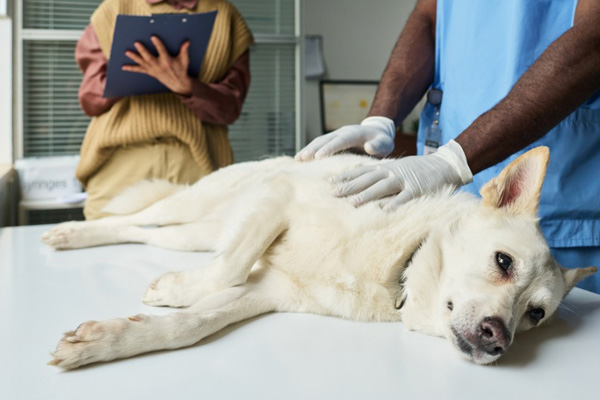
Table of Contents
- What Is a Seizure in Dogs?
- Symptoms of Seizures in Dogs
- What Causes Seizures in Dogs?
- First Aid for Dogs Having a Seizure
- Dog Seizures: When to Worry
- Long-Term Treatment for Seizures in Dogs
- Help! My dog is on medication but continues to have seizures. What should I do?
- Is My Dog Having a Seizure or Just Trembling?
- Video Transcript
Watching your dog have a seizure can be a frightening experience, especially if it happens for the first time. While not every seizure is an emergency, it's important to know what seizures look like, what to do during the episode, and when to seek immediate veterinary care. Below, we'll explain the common causes of seizures in dogs, first aid steps to keep your pet safe, and when seizure medication may be recommended. For additional insights from a veterinarian, you can also read the video transcript below.
What Is a Seizure in Dogs?
A seizure is a sudden burst of abnormal electrical activity in the brain that causes temporary, involuntary changes in your dog's behavior or movement. During a seizure, a dog may lose consciousness, stiffen, paddle their legs, jerk or convulse, drool, or appear confused afterward. Seizures can last anywhere from a few seconds to several minutes and may happen only once or recur over time.
What Do Dog Seizures Look Like?
Not all seizures look the same, but common signs include:
- Loss of consciousness
- Falling onto their side
- Paddling or bicycling movements of the legs
- Jerking or convulsions
- Body stiffening
- Drooling or foaming at the mouth
- Loss of bladder or bowel control
- Confusion, pacing, temporary blindness, or disorientation after the seizure
Some dogs may shake or tremble for reasons unrelated to epilepsy, so it's always a good idea to have your veterinarian evaluate your dog if you suspect they've had a seizure.
What Causes Seizures in Dogs?
Seizures can have many different causes, and your veterinarian may recommend diagnostic testing to determine the underlying reason. In general, the most common causes vary by your dog's age:
| Dog's Age | Common Causes |
|---|---|
| Under 1 year | Infectious diseases, congenital conditions, or other developmental disorders |
| 1–6 years | Idiopathic epilepsy is the most common cause |
| Over 7 years | Brain tumors, liver disease, or other underlying medical conditions become more likely |
Your veterinarian may recommend bloodwork or additional diagnostics to rule out other medical conditions before diagnosing epilepsy.
The good news is seizures may be eligible for pet insurance coverage. Learn more about Pets Best pet insurance coverage for hereditary conditions.
First Aid for a Dog Having a Seizure
If your dog is having a seizure:
- Stay calm.
- Move furniture or other objects away from your dog to help prevent injury.
- Do not put your hands in your dog's mouth. Dogs do not swallow their tongues during a seizure, and attempting to open their mouth could result in injury.
- Time the seizure using your phone or a watch.
- If it's safe to do so, record a video of the seizure to share with your veterinarian.
- Once the seizure ends, keep your dog in a quiet, comfortable environment while they recover. They may be temporarily confused or disoriented.
Dog Seizures: When Should You Worry?
While any first-time seizure should be evaluated by a veterinarian, some situations require immediate emergency care.
Go to an emergency veterinarian immediately if your dog:
- Has a seizure lasting longer than 3–5 minutes
- Has multiple seizures in a short period of time (cluster seizures)
- Has repeated seizures without fully recovering between them
- Has difficulty breathing after the seizure
- Remains unconscious or severely disoriented for an extended period
- Experiences their first seizure later in life, particularly after age seven
Seizures lasting longer than three to five minutes are considered a medical emergency because body temperature can rise quickly, and prolonged seizures may increase the risk of brain damage.
Does Every Dog Need Seizure Medication?
Not necessarily. Some dogs experience a single seizure and never have another. Because of this, your veterinarian may recommend monitoring your dog instead of starting medication immediately.
Seizure medication is more commonly recommended if:
- Seizures become more frequent
- Seizures last longer than expected
- Your dog experiences cluster seizures
- The seizures become more severe over time
Your veterinarian will consider your dog's age, medical history, diagnostic results, and seizure frequency when deciding whether medication is appropriate.
Help! My dog is on medication but continues to have seizures. What should I do?
The goal of anti-convulsants in seizure control isn’t to make pets never have a seizure again. Although this would be nice, it’s not realistic. However, the number, duration and severity of seizures should lessen with medication. If your pet continues to have breakthrough seizures in an amount that concerns you, request a simple blood test to ensure the level of medication is therapeutic in your pet.
If the level is therapeutic and your pet continues to seize, ask your veterinarian about adding another medication like bromide or phenobarbital, depending on which one your pet currently takes – or possibly consulting with a specialist.
I can’t tell if my dog is having a seizure or trembling for another reason.
Shaking and trembling may be caused by reasons unrelated to epilepsy in dogs. Learn how to tell the difference in 9 Reasons Your Dog May Shiver. For more information about dog seizures, check out the video transcript of the interview with Dr. Fiona Caldwell below.
Video Transcript
Hi, I’m Dr. Fiona Caldwell and I’m a veterinarian at Idaho Veterinary Hospital. I’m answering questions from Pets Best Facebook page today.
This question comes from Janet, who writes, “My dog had a seizure. I took her to my veterinarian and the veterinarian wants to wait to put her on seizure medication. Is this okay?”
I’m sorry your dog had a seizure. This can be a really frightening and scary thing to watch. Seizures that are caused by epilepsy happen in less than 1% of dogs. Typically, what you’ll see is the pet losing consciousness and paddling their legs or jerking or convulsing. It can last for a number of minutes.
Definitely make an appointment with your veterinarian if you ever suspect that your dog has had a seizure. You were right to go to your veterinarian. Typically, the vet is going to want to run some type of lab work or some other diagnostic testing to make sure there isn’t a different underlying problem causing the seizure.
As a rule of thumb, dogs less than a year of age that have a seizure are typically suffering from some kind of infectious problem, either viral or bacterial. In dogs from about one to six or seven years of age, typically the most common cause is epilepsy. Dogs older than seven that come up with seizures, unfortunately this is often related to something outside of epilepsy, scary things like a brain tumor, liver disease or some other problem.
Depending on how old your dog is and what the seizure was like, it actually might be okay for you to wait to put this dog on seizure medication. There is a decent percentage of the canine population that will have one seizure and then never have another one. Your veterinarian probably doesn’t want to put your dog on seizure medication if he or she is one of those dogs who never has another seizure.
A reason that I would put a dog on medication would be if they have seizures that last more than three to five minutes. Try to take a look at your watch or at the time on your phone so that you can know exactly how long it was. This is going to help your veterinarian to better treat your dog. If a seizure lasts more than three to five minutes, this is an emergency and you should bring your dog to a veterinarian. Their body temperature can rise quickly and can be a problem. Especially as pets age, seizures that last that long can cause problems with their brain and cause brain damage.
If it’s a quick seizure, 20 or 30 seconds to a minute, and your dog pops out of it, it isn’t necessarily an emergency, but you should probably schedule an appointment with a veterinarian if they’ve never had a seizure before. If your dog continues to have seizures and they’re getting to the point where they’re once a month or two to three times a month, at some point the frequency is going to warrant medication. Talk with your veterinarian. There are seizure medications that typically work pretty well for dogs and can help control their seizures.
Getting pet insurance prior to any seizure or symptoms of seizures can help costs in the long run. Starting a quote is fast and easy with Pets Best Insurance.